
The Zebra LifeTM
Education • Advocacy • Consulting
Community Spotlight
-
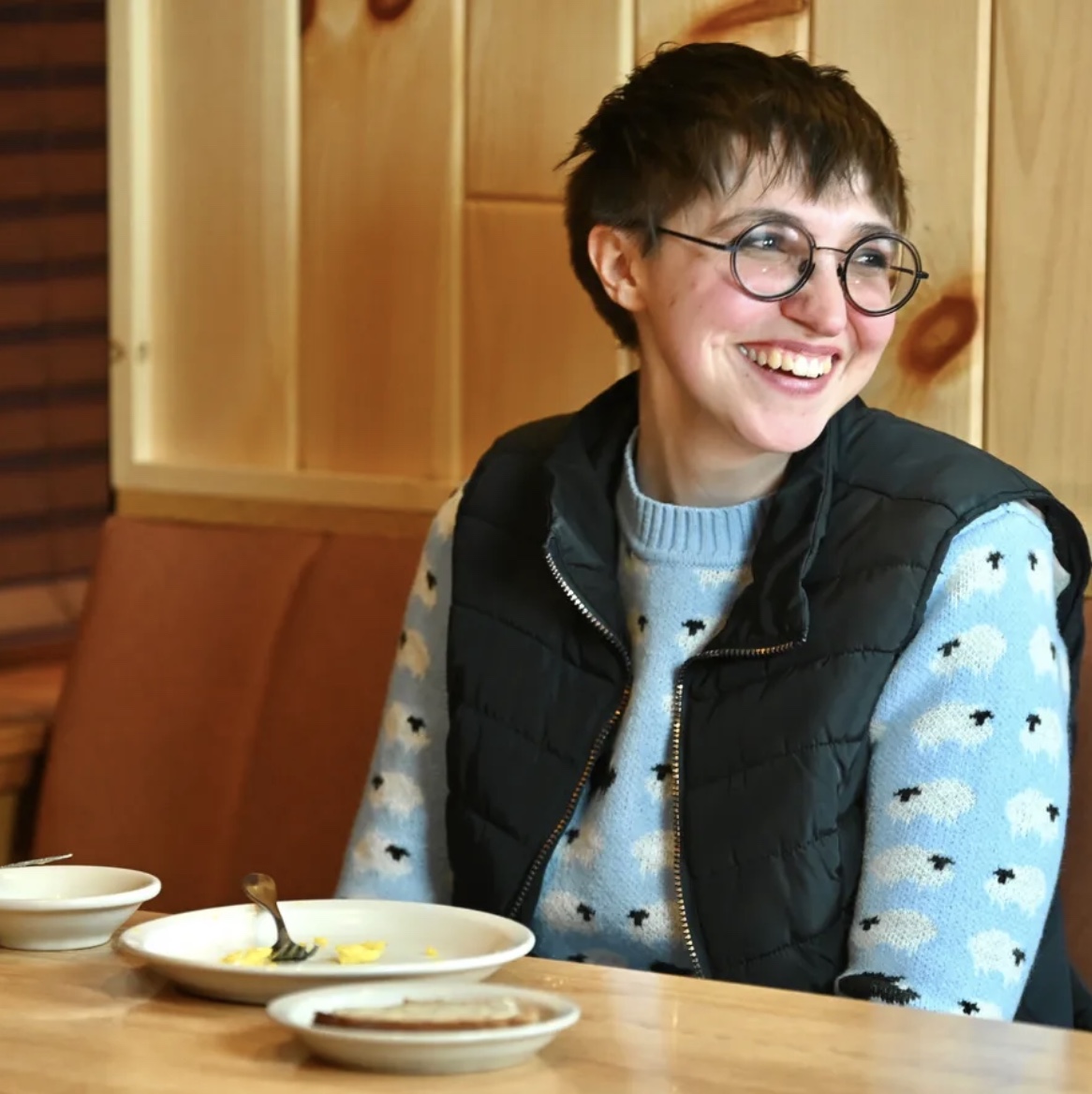
Vanessa Matelski
Read more: Vanessa MatelskiVanessa Matelski is the creator of PotsieSpoons and a fellow zebra who has dealt with MALS and POTS. She creates amazing comics that are funny, moving, and also very informative regarding some of our disorders. Additionally, she has branched out into animation, short films, and wrote a novel…
-

The EveryLife Foundation
Read more: The EveryLife FoundationThe EveryLife Foundation is a fantastic non-profit organization that supports rare disease patients in self-advocacy and lobbies to advance policies that bring about better research for rare diseases by expediting drug-to-market approvals and securing funding for such research. The foundation was started by Dr. Emil Kakis, a geneticist…
-
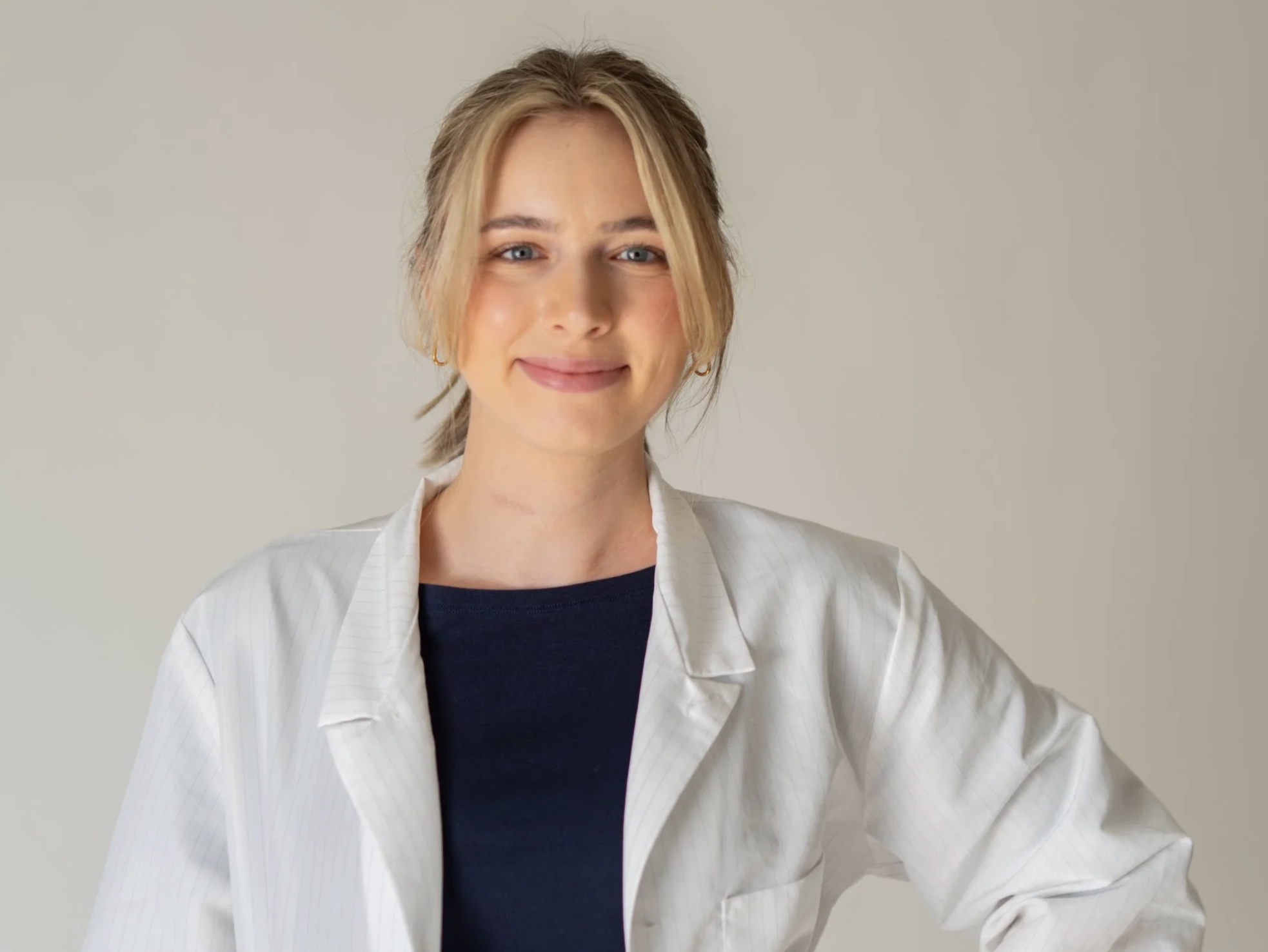
Cort Does Science
Read more: Cort Does ScienceCortney Gensemer, PhD is a research scientist with a specific focus on the genetic and molecular mechanisms of Hypermobile Ehlers-Danlos Syndrome (hEDS) and its related conditions. She recognizes that hEDS appears to have an immune system component, and she has published several research papers exploring that hypothesis. Her…
Research Updates
-

The Norris Lab GWS Study
Read more: The Norris Lab GWS StudyThe Norris Lab, located in Charleston, SC, is a research lab that frequently hosts interns who have lived experience with disabling conditions and collaborate to gain perspective and advancements in the areas of Ehlers-Danlos Syndrome (EDS) and cardiovascular disease. Several recently associated…
-
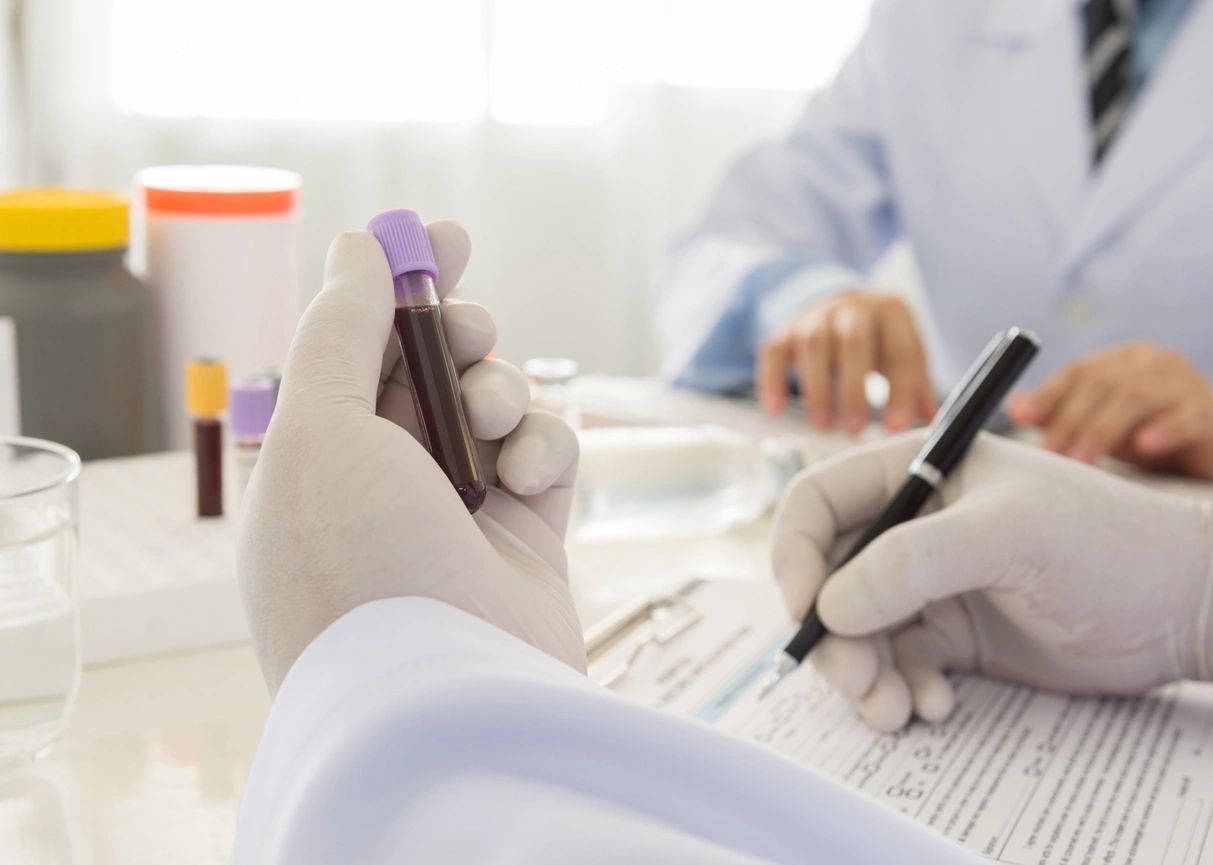
The HEDGE Study Update
Read more: The HEDGE Study UpdateThe Hypermobile Ehlers-Danlos Genetic Evaluation (HEDGE) study was initiated by The Ehlers-Danlos Society to examine the genes of over 1000 particpants around the world who have hEDS or HSD (Hypermobility Spectrum Disorders). It is the most extensive study involving over 85 counties…
Latest Blogs
-

The Journey to RTA
Read more: The Journey to RTARenal Tubular Acidosis I still have a lot to learn about renal tubular acidosis (RTA). It’s not something you hear about everyday. The journey started when I was getting a CT scan for shortness of breath and an elevated D-dimer. I have an allergy to the contrast in both CTs and MRIs (thanks mast cells),…
-

The Journey to MALS
Read more: The Journey to MALSMedian Arcuate Ligament Syndrome At the time I started seeing my POTS specialist, he had been investigating Median Arcuate Ligament Syndrome (MALS) as a possible cause of POTS due to vagus nerve inflammation. MALS is when the diaphragm hangs too low or the celiac artery is too high coming off the abdominal aorta, and it…
-

The Journey to hEDS
Read more: The Journey to hEDSHypermobile Ehlers-Danlos Syndrome The first time I heard about EDS was when I was getting my POTS work-up from my electrophysiologist. He knew it was co-morbid with POTS and sent me to a renowned geneticist in Dallas, Dr. Wilson. He took a family history. My mother is known to bruise easily, but she is also…